What to Eat on Zepbound
Zepbound (tirzepatide) is one of the most effective weight-loss medications available — but its appetite suppression is intense. This guide covers the foods that work, what to avoid, and how to get enough nutrition when eating feels almost impossible.
Zepbound vs Mounjaro: same drug, different focus
Zepbound and Mounjaro both contain tirzepatide — a dual GIP/GLP-1 agonist manufactured by Eli Lilly. The same compound, two brand names, two regulatory approvals:
- Mounjaro: Approved for type 2 diabetes management. Doses up to 15mg weekly.
- Zepbound: Approved for chronic weight management in adults with obesity or overweight. Doses up to 15mg weekly.
If you're on Zepbound, all dietary guidance for Mounjaro applies equally — you're taking the same medication. The key difference in practice is that Zepbound users are specifically focused on weight loss, making protein intake and muscle preservation the nutritional priority.
Protein target on Zepbound: 80–100g per day minimum. Zepbound drives rapid weight loss — without adequate protein, a significant portion of that loss is muscle, not fat. Prioritise protein at every meal, even when appetite is near zero.
What to eat on Zepbound
The muscle-loss problem
Zepbound's appetite suppression is strong enough that many users eat only 600–900 calories per day without realising it. At these calorie levels, without intentional protein focus, the body breaks down muscle for energy during the weight-loss phase. This is the key dietary problem on Zepbound — not nausea management, but muscle preservation.
Best high-protein, easy-to-eat foods on Zepbound:
- Greek yogurt (plain, 0–2% fat) — 17–20g protein per serving, cold, smooth
- Cottage cheese — 14g protein per half cup, extremely versatile
- Eggs (poached, hard-boiled, scrambled soft) — 6g per egg, quick and bland
- Poached or baked chicken breast — 25–30g protein per 100g
- White fish (cod, sole, tilapia) — 20–22g protein per 100g, very low fat
- Protein shakes — useful on days when solid food is difficult
Easy-digest carbohydrates
Stick to low-fibre, quick-digest carbs during dose escalation or on bad nausea days:
- White rice (plain, well-cooked)
- Plain crackers or rice cakes
- Cooked oats or congee
- Banana, applesauce
- Plain sourdough toast
Ginger for nausea
Ginger is the most effective natural remedy for GLP-1 nausea. Tirzepatide nausea typically peaks 24–48 hours after injection. Use ginger proactively:
- Ginger tea — drink before and during meals on injection day
- Ginger chews or crystallised ginger as a post-meal snack
- Fresh ginger grated into broth or soups
What to avoid on Zepbound
The main triggers: Fried food, high-fat meals, spicy food, alcohol, and large portions. On Zepbound's higher doses, these consistently cause nausea, vomiting, or prolonged discomfort.
Fatty and fried food: Fat slows gastric emptying further — already dramatically slowed by tirzepatide. The result is nausea, bloating, and discomfort lasting hours. Avoid all fried food, butter-heavy cooking, cream sauces, and full-fat dairy during dose escalation.
Alcohol: Exacerbates nausea, dehydration, and dizziness. Many Zepbound users report their alcohol tolerance decreases significantly on tirzepatide. Limit or avoid, especially in the first few months.
Large portions: The stomach's effective capacity shrinks on Zepbound. Eating a full-size meal causes immediate discomfort and often nausea. Use small plates, eat slowly, and stop at the first sign of fullness.
Carbonated drinks: Bloating is common on tirzepatide as gastric motility slows. Carbonated water and fizzy drinks worsen this. Switch to still water.
Zepbound diet FAQs
What should I eat on Zepbound?
On Zepbound, eat small, high-protein meals focused on easy-to-digest foods. Lean proteins (chicken, fish, eggs, Greek yogurt), plain carbohydrates (white rice, oats, crackers), and ginger are best tolerated. Zepbound is tirzepatide at full weight-loss doses, so appetite suppression is strong — intentional, scheduled eating matters more than waiting for hunger.
What is the difference between Zepbound and Mounjaro for diet?
Zepbound and Mounjaro contain the same active ingredient (tirzepatide). The difference is in the approved indication: Mounjaro is approved for type 2 diabetes; Zepbound is approved for chronic weight management. The dietary approach is identical. Zepbound users are typically at full weight-loss doses (up to 15mg), where appetite suppression and weight loss are the primary outcomes.
What foods help with Zepbound nausea?
Foods that help Zepbound nausea: plain white rice, plain crackers, ginger (tea, fresh, chews), Greek yogurt (cold), eggs (scrambled soft or hard-boiled), cooked oats, banana, and miso soup. Cold foods generally cause less nausea than hot food. Eating very small amounts — even a few bites — is better than skipping meals entirely.
How much protein do I need on Zepbound?
Target at least 80–100g of protein per day on Zepbound. Rapid weight loss from strong appetite suppression significantly increases the risk of muscle loss. Even when appetite is very low, prioritise protein-dense foods: Greek yogurt, cottage cheese, eggs, poached chicken, and white fish. Consider a protein shake on days when solid food is difficult.
Top-rated recipes
Sorted by overall GLP-1 tolerance score — highest rated are best for Zepbound side effects.
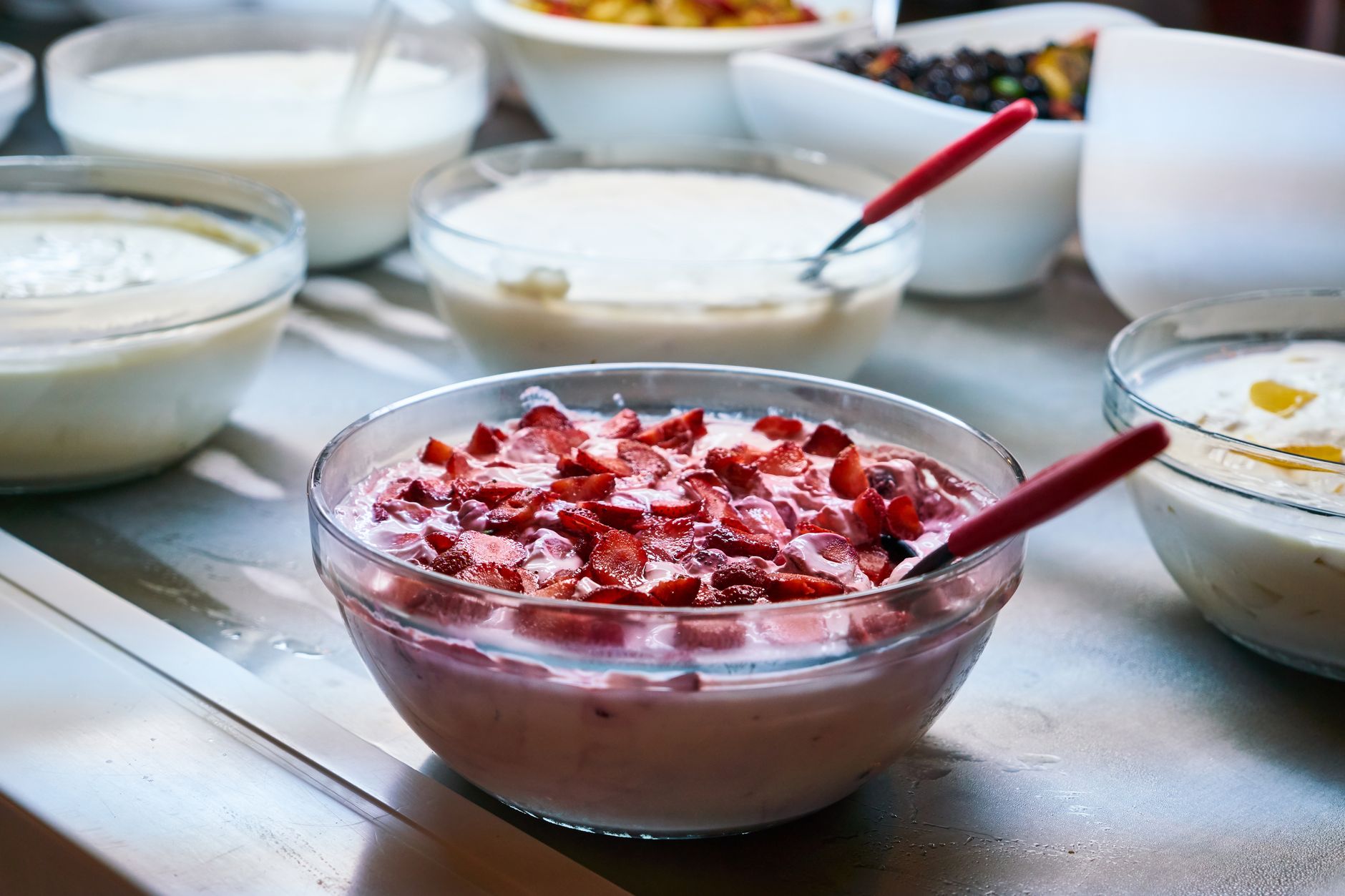
Greek Yogurt Protein Bowl
A high-protein, easy-to-eat bowl that is gentle on the stomach. Perfect for low appetite days when you need nutrition in small portions.
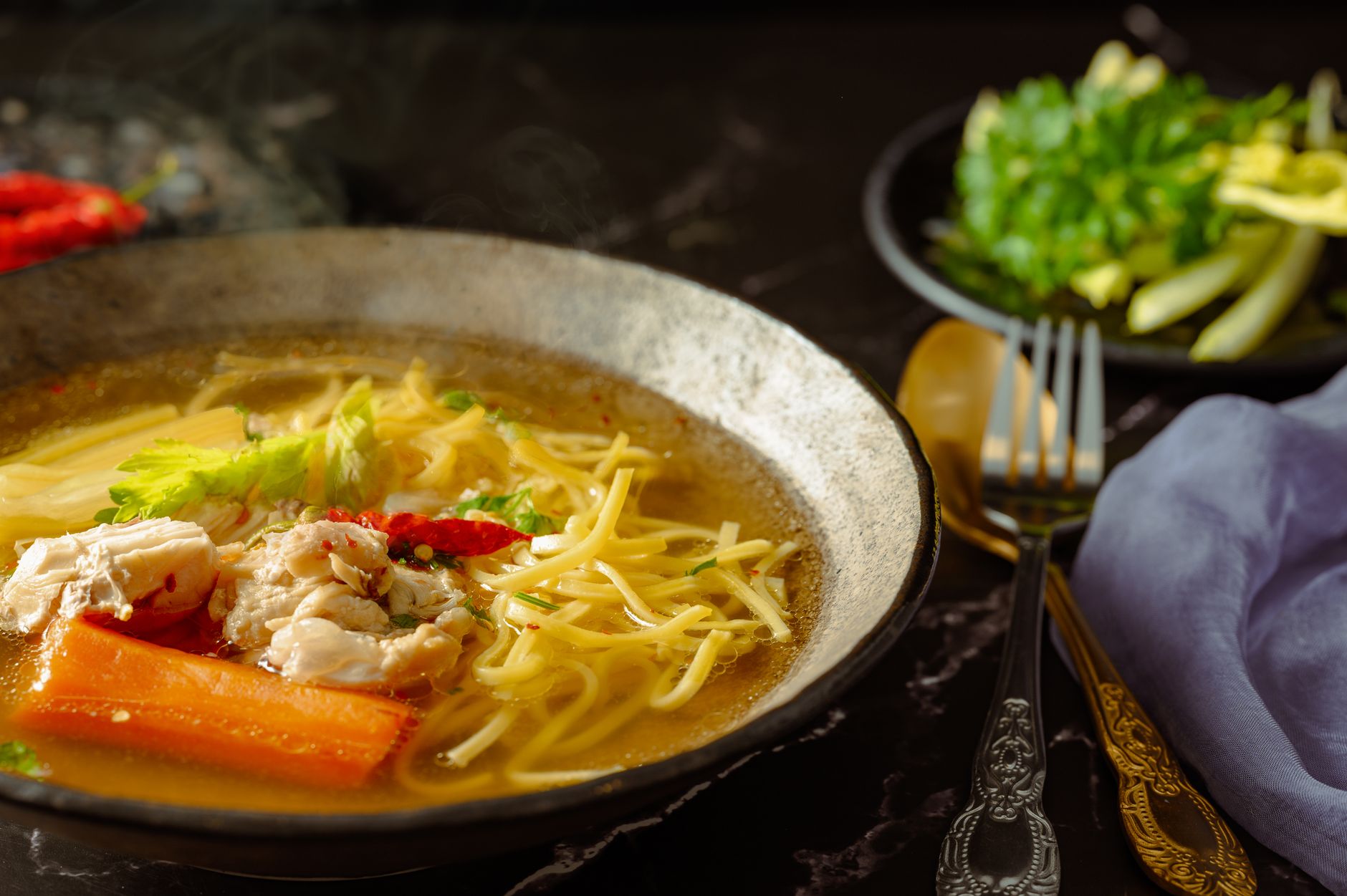
Ginger Chicken Soup
A gentle, warming soup perfect for days when nausea is high. The ginger helps settle the stomach while chicken provides essential protein.
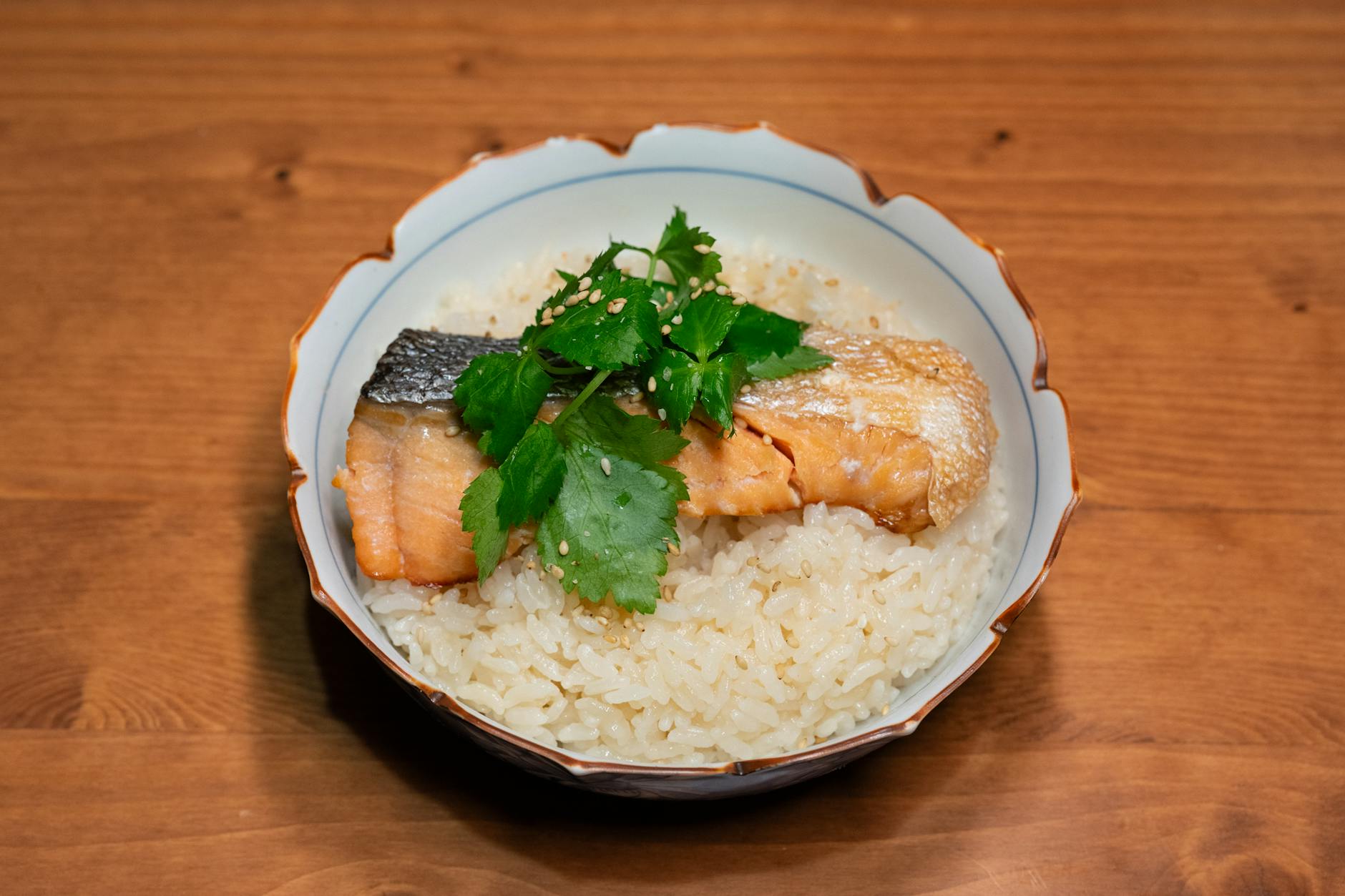
Salmon & Rice Bowl
A balanced meal with omega-3 rich salmon over easily digestible rice. Good for maintaining energy and protein intake.
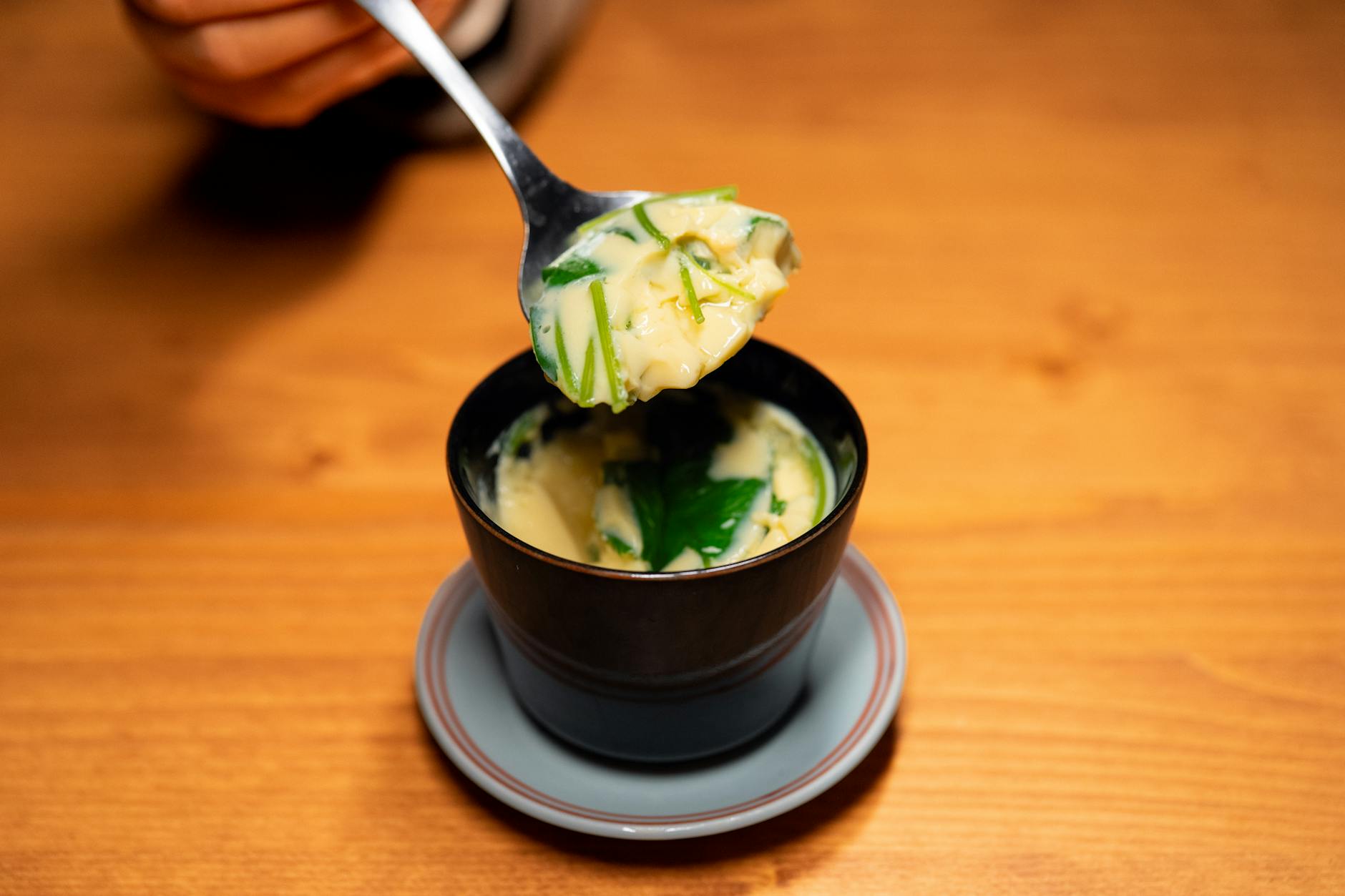
Warm Lemon-Ginger Egg White Custard Bowl
This warm, silky egg white custard is designed for GLP-1 users who need a gentle, low-fat, low-fiber breakfast that won’t overload a slower stomach. Lightly flavored with lemon and ginger, it’s easy to digest, high in protein, and helps minimize bloating and gas while still providing steady morning nutrition.
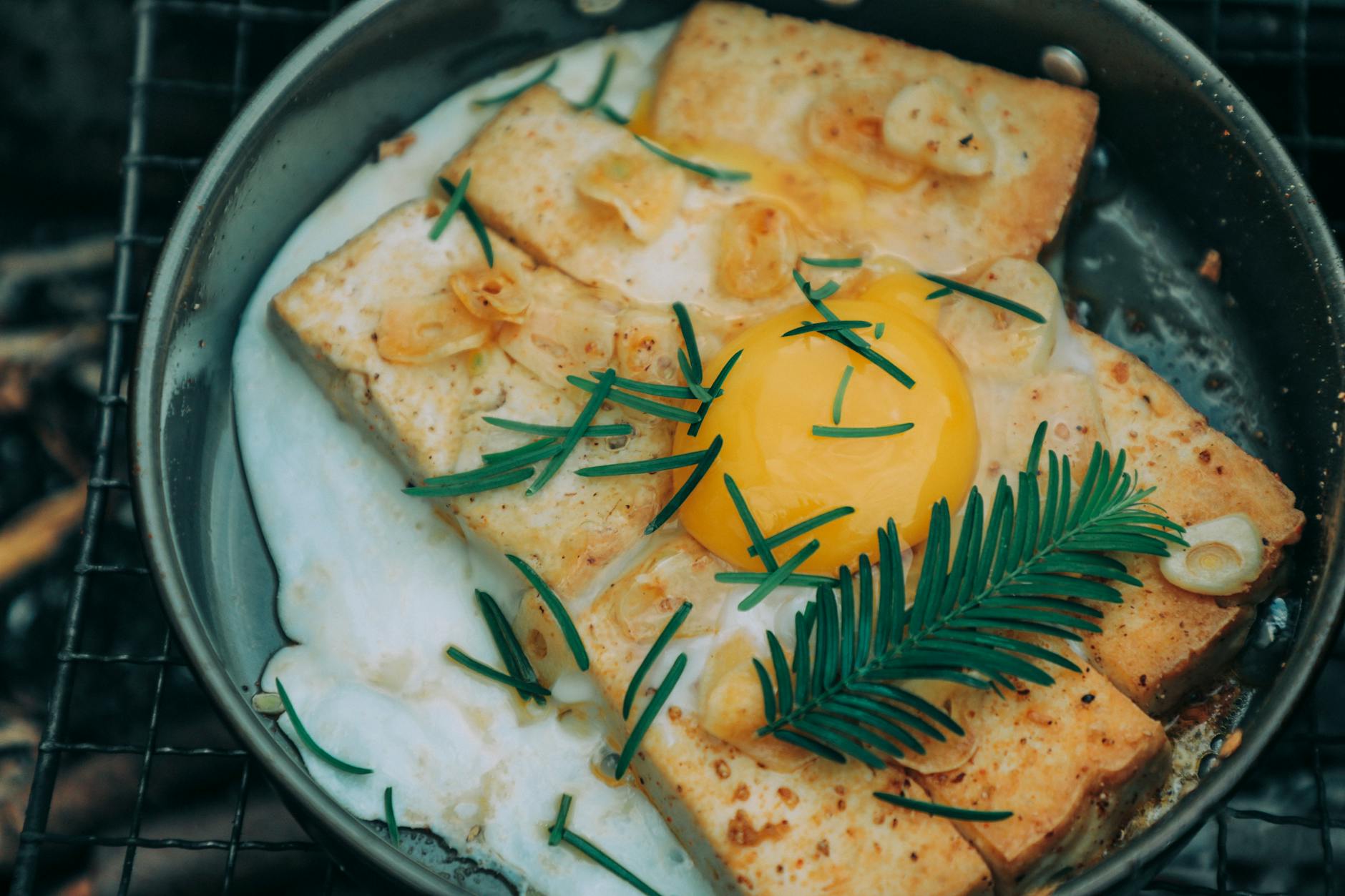
Savory Ricotta Egg Protein Squares
These soft, savory ricotta egg protein squares are mild in flavor and easy to nibble, ideal when GLP-1 medications blunt your appetite. Each small piece is nutrient-dense and high in protein, so even a few bites help support muscle mass and energy without feeling heavy.
Calming Cinnamon Rice Protein Smoothie
This gentle, cinnamon-warm smoothie is designed for GLP-1 users experiencing diarrhoea, using soft white rice and banana to provide binding, low-fibre, easily digestible carbs. A neutral rice-based protein powder boosts protein without adding fat or roughage, helping you meet nutrition needs even when your gut is sensitive.
Cinnamon Rice Pudding Recovery Smoothie
This cinnamon rice pudding–style smoothie is designed for GLP-1 users experiencing diarrhoea, using low-fibre, binding white rice with gentle flavours to calm the gut. It provides easily digestible carbohydrates and protein in a small, sippable portion to support recovery when appetite and tolerance are low.
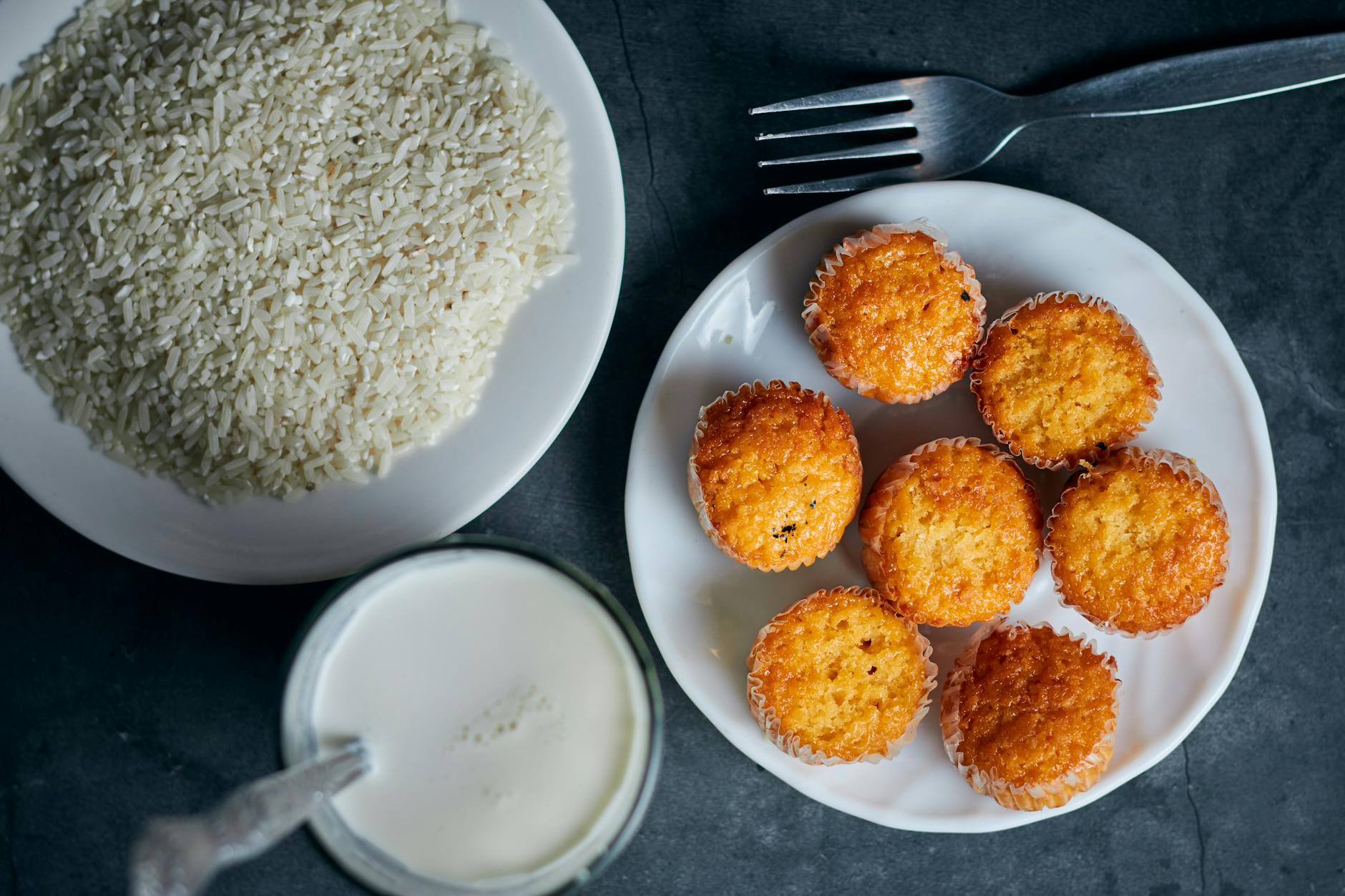
Soft Ginger Turkey Rice Muffin Cups
These soft, mild turkey and rice muffin cups are designed for GLP-1 users with nausea, using gentle flavors, lean protein, and a moist texture that’s easy to digest. Baked in small portions, they’re low in fat and smell very mild, making them easier to tolerate when appetite is low.
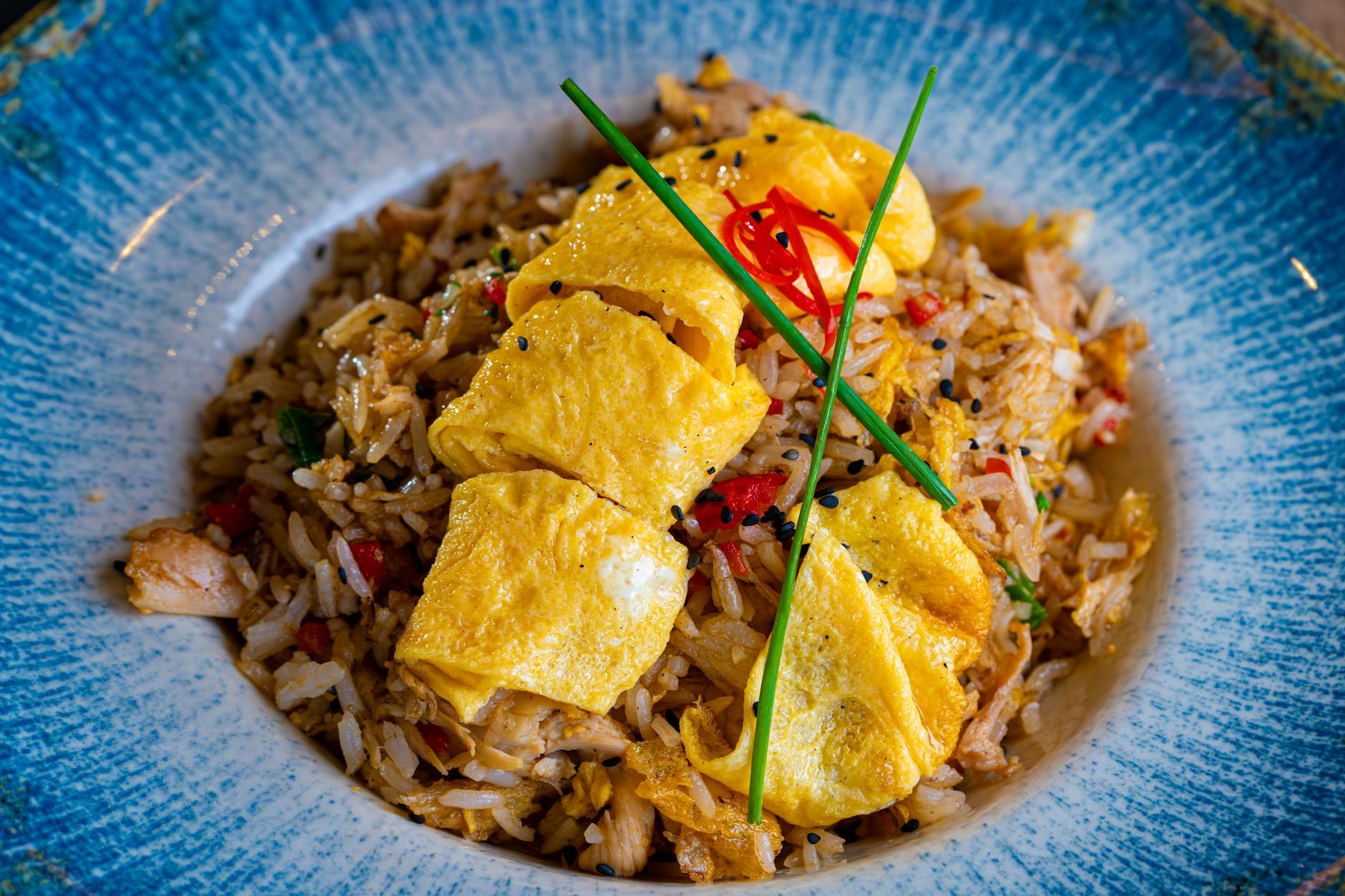
Calming Ginger Egg White Rice Cloud
This light, custard-like rice and egg white bowl is designed for GLP-1 users with nausea, using gentle textures, low fat, and mild flavors. Ginger and a touch of lemon help settle the stomach while the high protein content supports nutrition despite a smaller appetite.
On Mounjaro instead?
Mounjaro contains the same tirzepatide as Zepbound but is approved for type 2 diabetes. All dietary guidance here applies equally to Mounjaro users.
Mounjaro Diet Guide →