What to Eat on Ozempic
Ozempic (semaglutide) changes how your stomach works. This guide covers exactly what to eat, what to avoid, and how to get enough nutrition when appetite and nausea are making food difficult.
What to eat on Ozempic
Protein first, always
Ozempic causes significant appetite suppression. The main dietary risk is not eating enough protein, leading to muscle loss during rapid weight loss. Target 20–30g of protein per meal, even on days when eating feels impossible.
Best protein sources on Ozempic:
- Eggs (scrambled soft, poached, hard-boiled)
- Chicken breast (poached or steamed, not fried)
- White fish (cod, tilapia, sole) — mild, low-fat, easy to digest
- Greek yogurt (plain, full or 0% fat)
- Cottage cheese
- Tofu and edamame (plant-based)
Easy-to-digest carbohydrates
With slowed gastric emptying, high-fibre carbs can sit in the stomach for hours and worsen nausea. In the early weeks or on bad days, stick to:
- White rice (plain, well-cooked)
- Plain crackers or water crackers
- Sourdough bread (fermentation makes it easier to digest)
- Bananas and applesauce
- Cooked oats / congee
Ginger — a common go-to
Many people find ginger easier to stomach when they feel queasy, and some keep it on hand while adjusting to Ozempic. Ginger is a food, not a treatment for nausea — if your nausea is severe or persistent, talk to your doctor or pharmacist. Some ways people use it:
- Fresh ginger grated into broth or tea
- Ginger tea bags (keep them at your desk)
- Crystallised ginger as a snack
What to avoid on Ozempic
The big five triggers: Fried food, high-fat meals, spicy food, alcohol, and strong-smelling fish. These consistently make Ozempic side effects worse for most people.
Fried and fatty food: Higher-fat food tends to leave the stomach more slowly — and Ozempic already slows this — so many people find fatty meals bring on more nausea and fullness.
Alcohol: GLP-1 medications appear to reduce alcohol cravings in many people. But alcohol worsens nausea and dehydration, which are already common side effects.
Strong smells: Volatile aromatic compounds from strong-smelling foods (onions, garlic, fermented fish, strong cheeses) are stronger triggers for nausea on GLP-1.
Large portions: The stomach's capacity is reduced by Ozempic. Eating a full-size portion will cause discomfort. Start with half your normal portion and wait 20 minutes before deciding if you need more.
Ozempic diet FAQs
What should I eat on Ozempic?
On Ozempic, focus on high-protein, easy-to-digest foods in small portions. Lean proteins (chicken, fish, eggs), plain carbohydrates (white rice, toast), and ginger-based foods are best tolerated. Avoid fried food, strong-smelling fish, alcohol, and large portions.
What foods make Ozempic nausea worse?
Foods that worsen Ozempic nausea include: fatty or fried foods, spicy food, strong-smelling foods (onions, garlic, fishy foods), alcohol, caffeine in excess, and large portions. Hot food also tends to trigger more nausea than cold food.
How much should I eat on Ozempic?
Most people on Ozempic should eat smaller portions — roughly half of what they previously ate. Focus on eating slowly, stopping when slightly full (not stuffed), and prioritising protein. Most recipes on this site are designed for 1–2 servings at 200–400 calories each.
Should I eat before or after my Ozempic injection?
Many people find it helpful to inject in the evening before bed, so the peak nausea period (12–48 hours post-injection) is during sleep. If injecting in the morning, eat a light meal beforehand and stick to very gentle foods for the first 24 hours.
Top-rated recipes
Sorted by overall GLP-1 tolerance score — highest is best for Ozempic side effects.
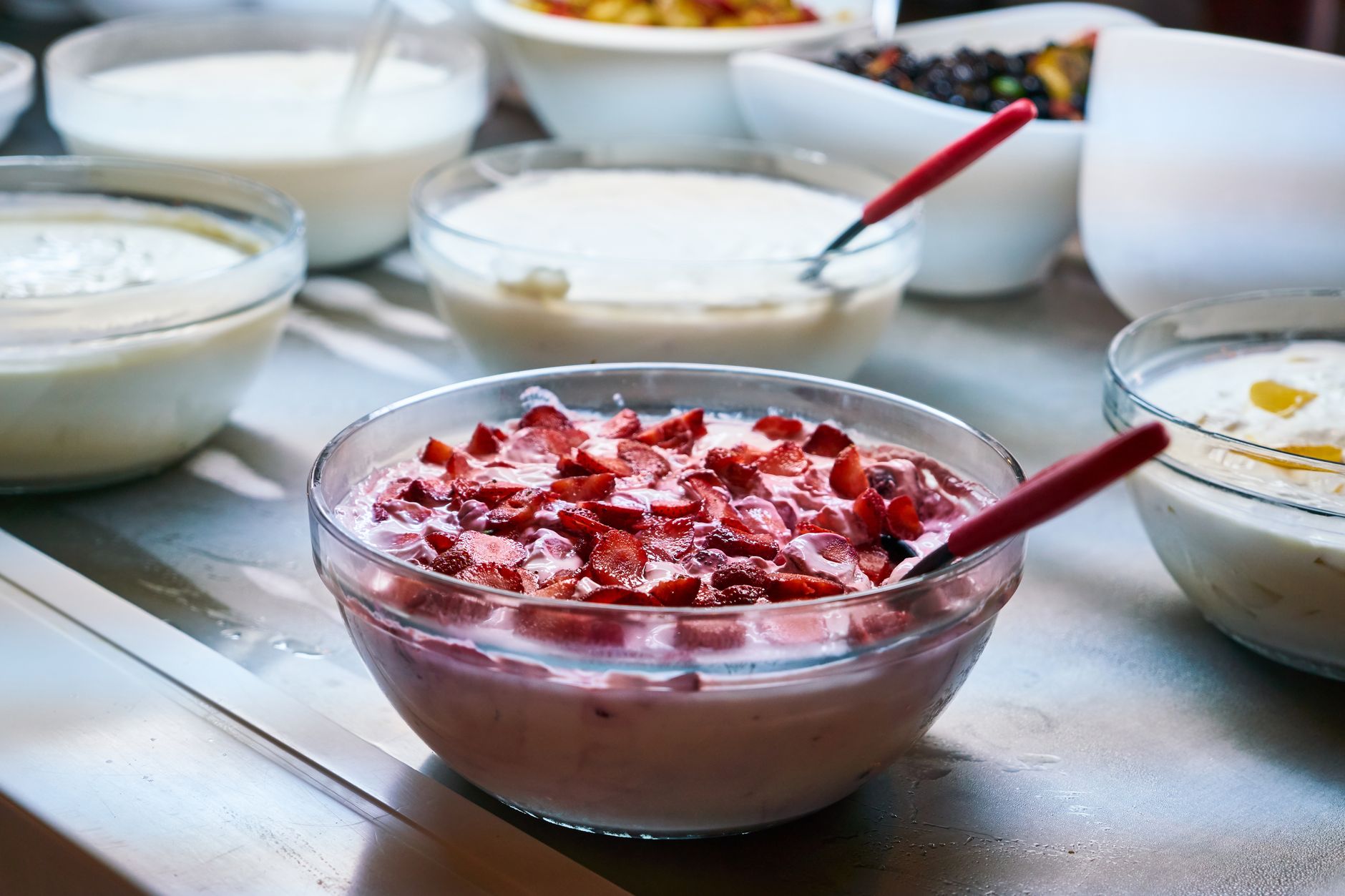
Greek Yogurt Protein Bowl
A high-protein, easy-to-eat bowl that is gentle on the stomach. Perfect for low appetite days when you need nutrition in small portions.
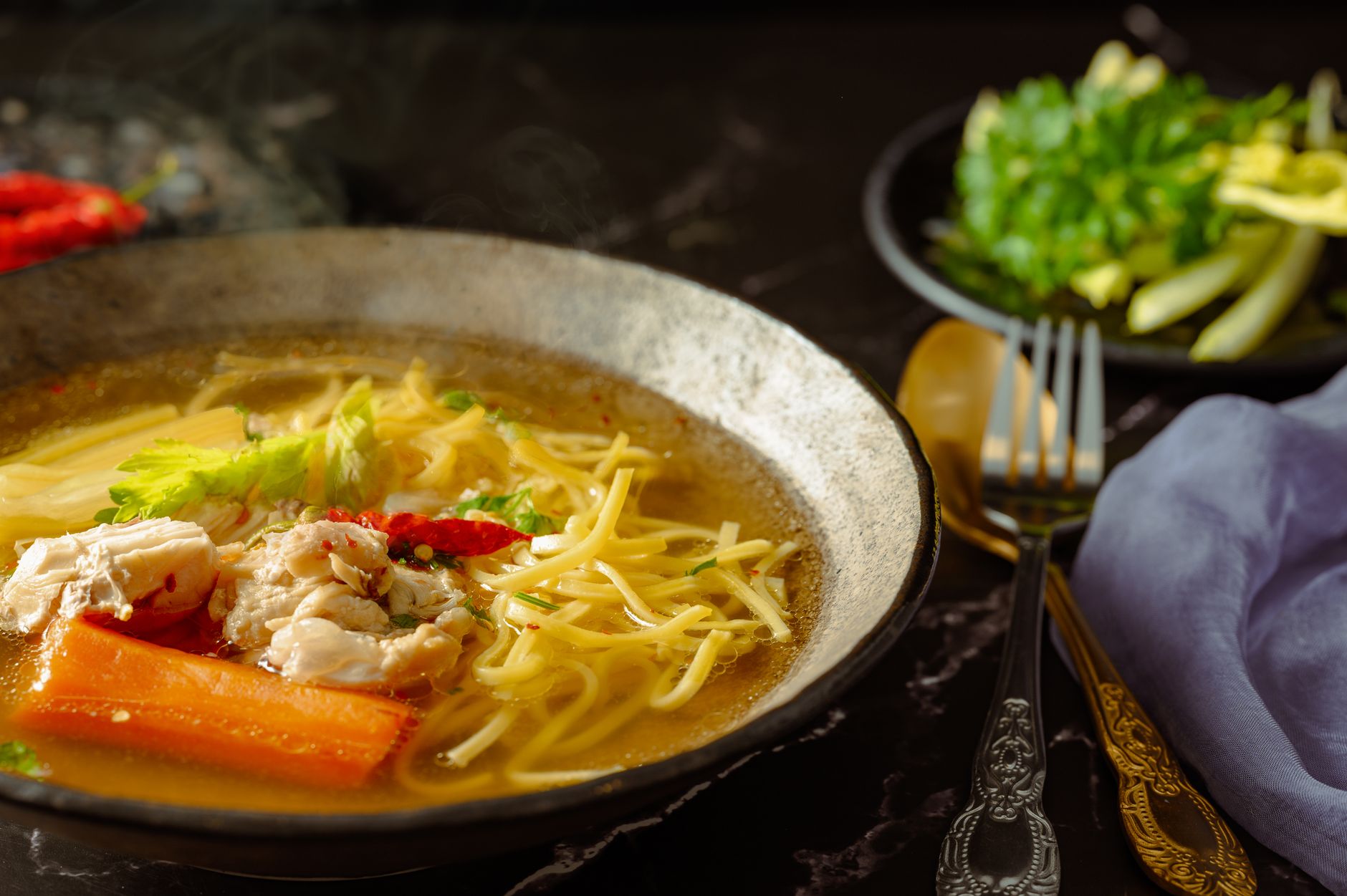
Ginger Chicken Soup
A gentle, warming soup perfect for days when nausea is high. The ginger helps settle the stomach while chicken provides essential protein.
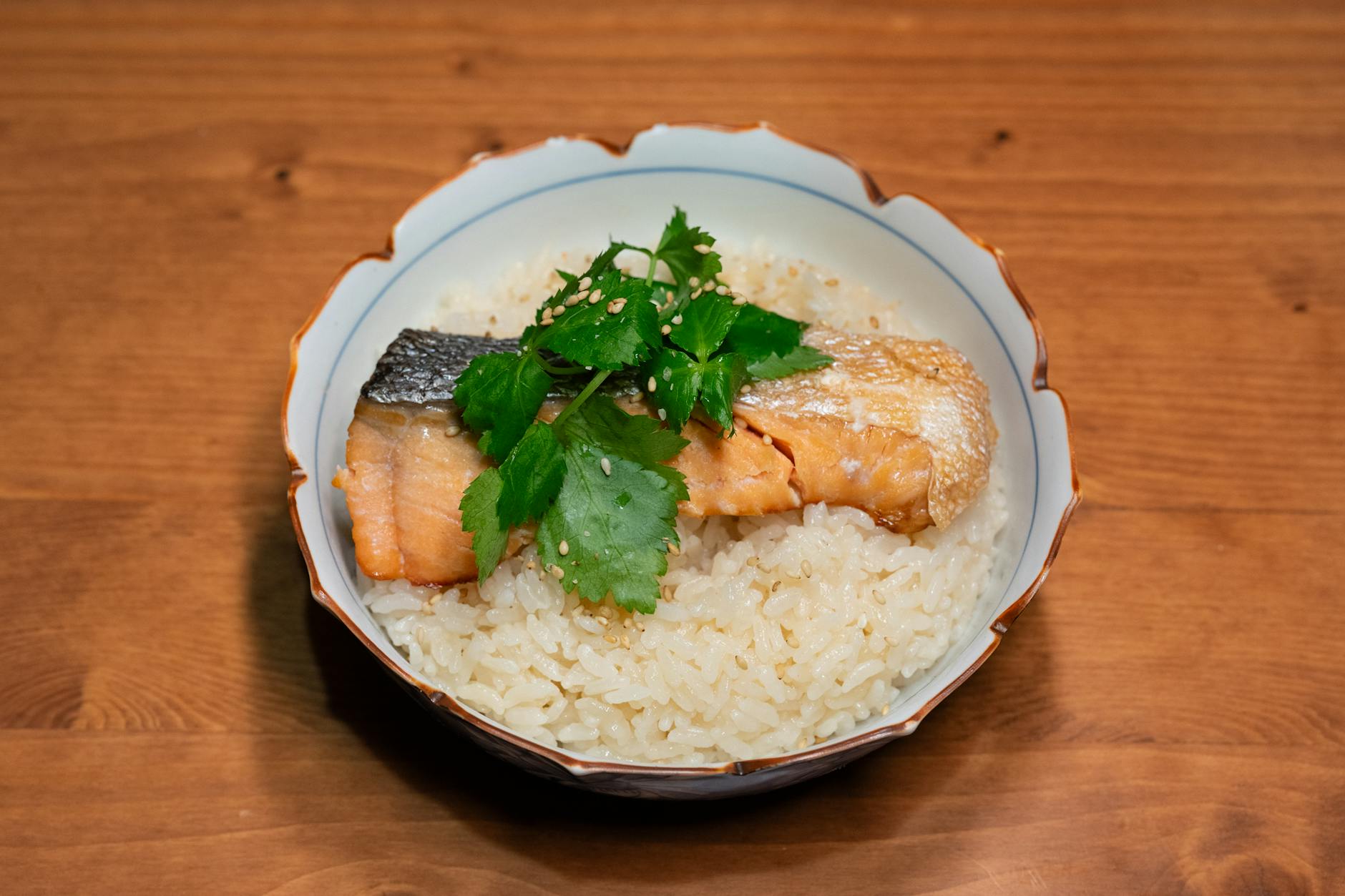
Salmon & Rice Bowl
A balanced meal with omega-3 rich salmon over easily digestible rice. Good for maintaining energy and protein intake.
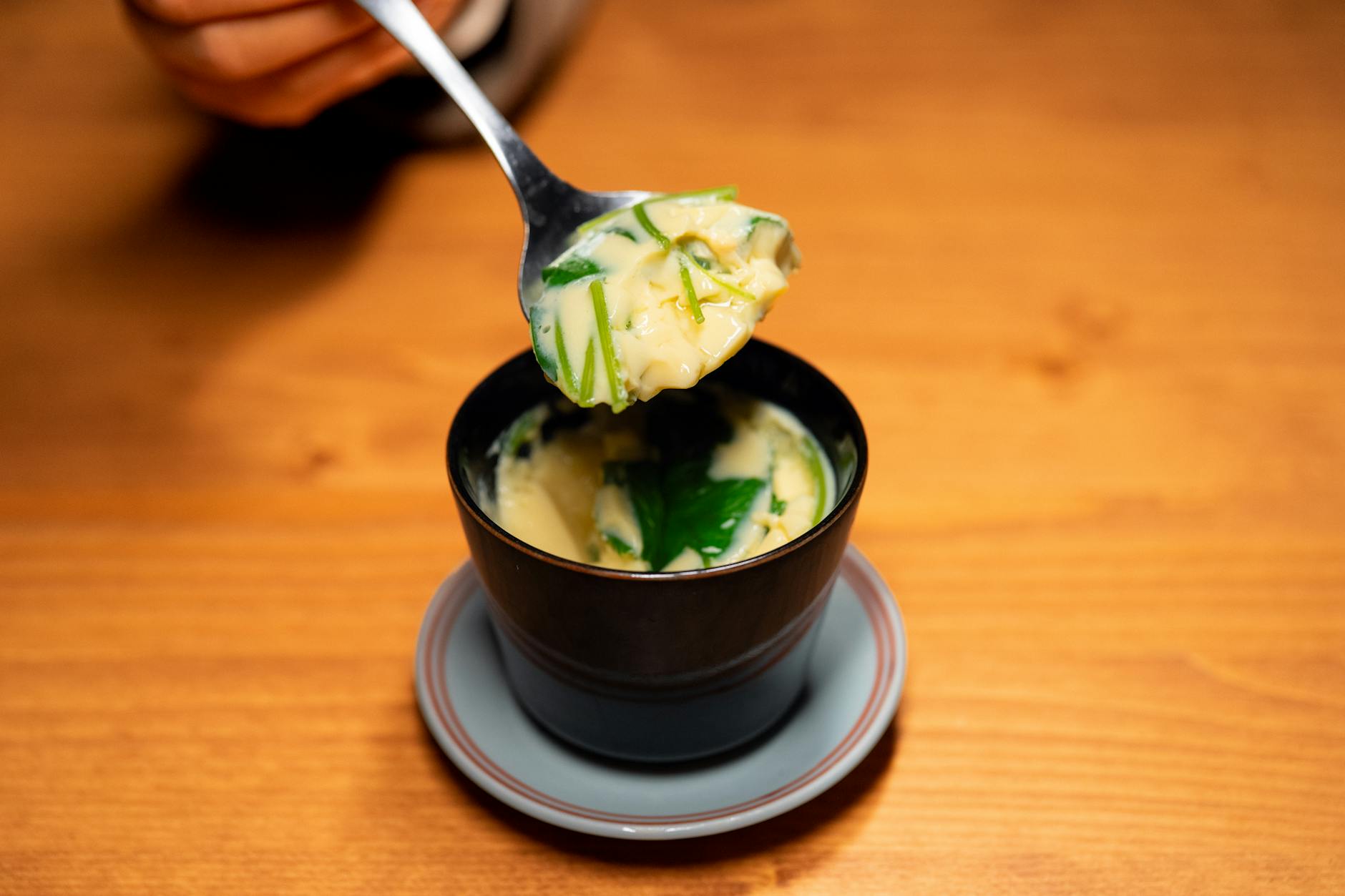
Warm Lemon-Ginger Egg White Custard Bowl
This warm, silky egg white custard is designed for GLP-1 users who need a gentle, low-fat, low-fiber breakfast that won’t overload a slower stomach. Lightly flavored with lemon and ginger, it’s easy to digest, high in protein, and helps minimize bloating and gas while still providing steady morning nutrition.
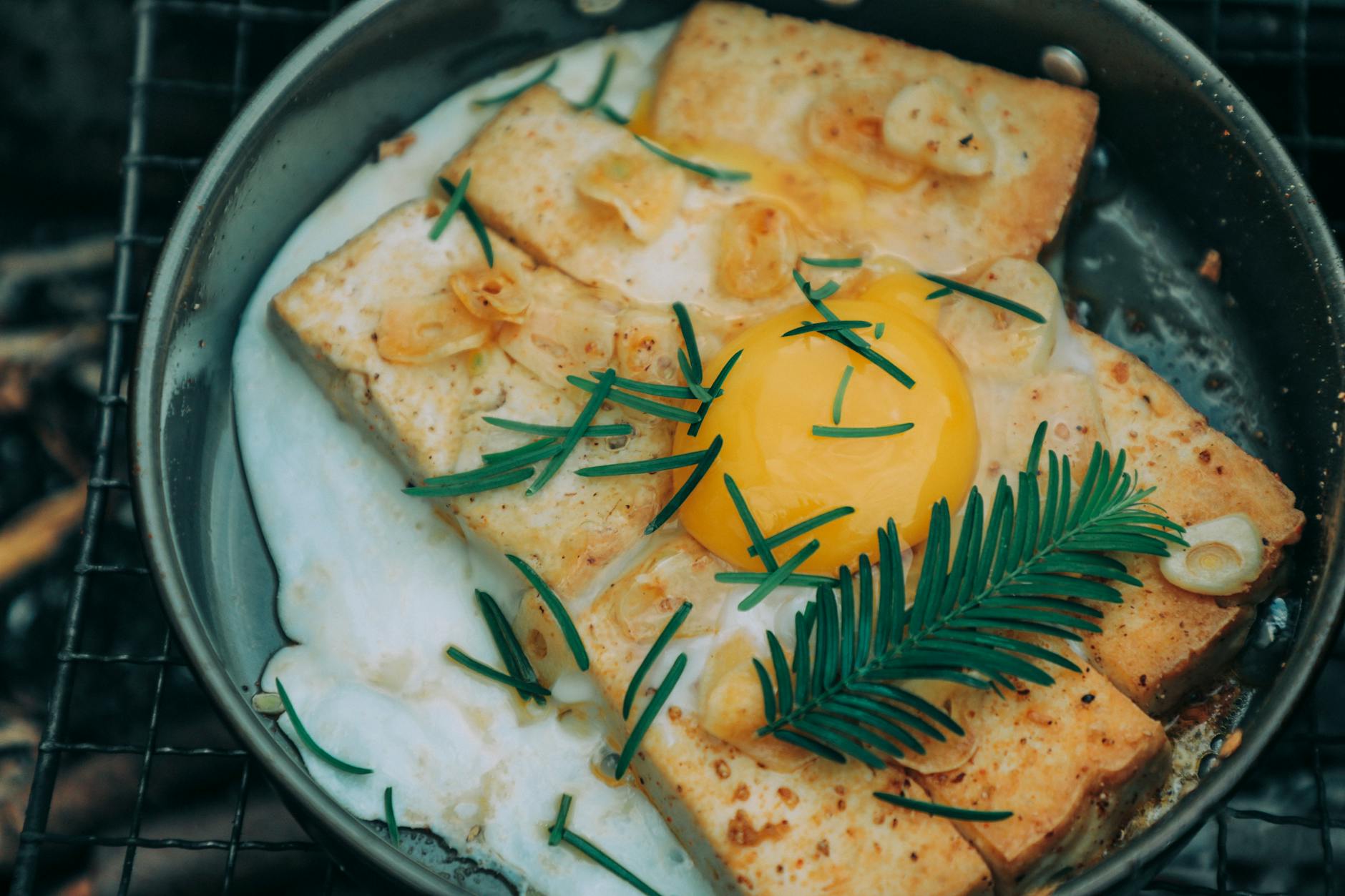
Savory Ricotta Egg Protein Squares
These soft, savory ricotta egg protein squares are mild in flavor and easy to nibble, ideal when GLP-1 medications blunt your appetite. Each small piece is nutrient-dense and high in protein, so even a few bites help support muscle mass and energy without feeling heavy.
Calming Cinnamon Rice Protein Smoothie
This gentle, cinnamon-warm smoothie is designed for GLP-1 users experiencing diarrhoea, using soft white rice and banana to provide binding, low-fibre, easily digestible carbs. A neutral rice-based protein powder boosts protein without adding fat or roughage, helping you meet nutrition needs even when your gut is sensitive.
Cinnamon Rice Pudding Recovery Smoothie
This cinnamon rice pudding–style smoothie is designed for GLP-1 users experiencing diarrhoea, using low-fibre, binding white rice with gentle flavours to calm the gut. It provides easily digestible carbohydrates and protein in a small, sippable portion to support recovery when appetite and tolerance are low.
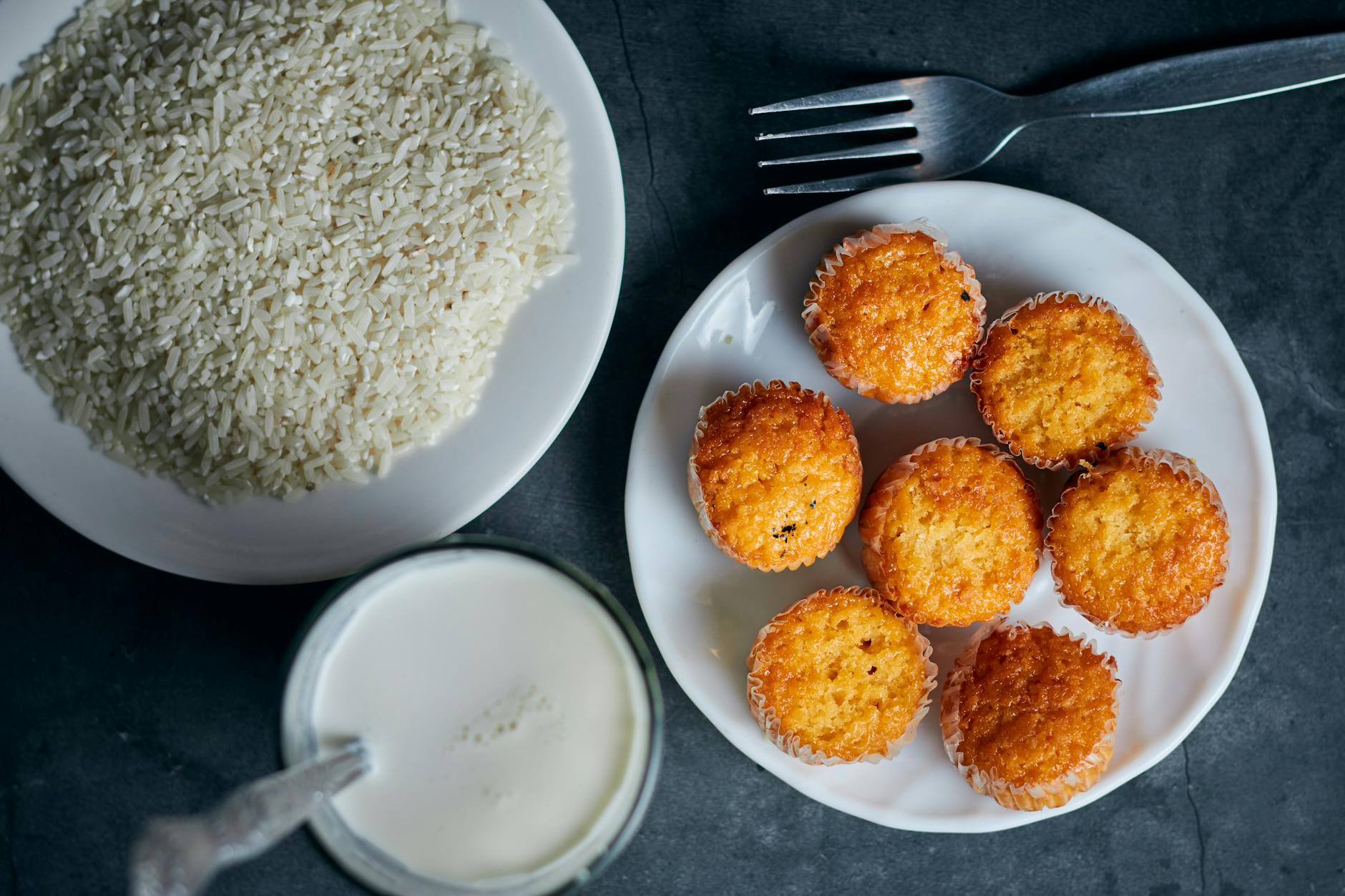
Soft Ginger Turkey Rice Muffin Cups
These soft, mild turkey and rice muffin cups are designed for GLP-1 users with nausea, using gentle flavors, lean protein, and a moist texture that’s easy to digest. Baked in small portions, they’re low in fat and smell very mild, making them easier to tolerate when appetite is low.
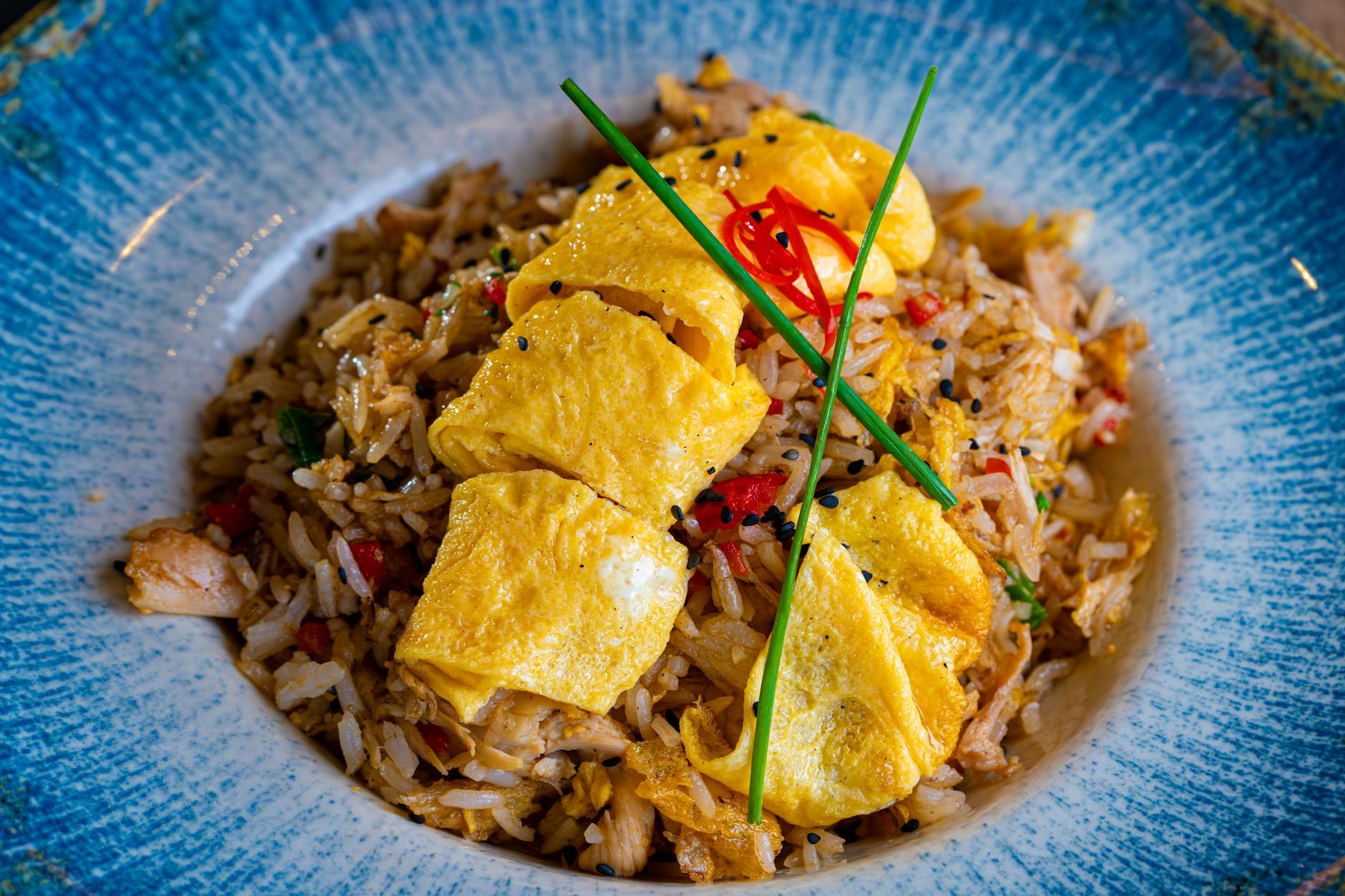
Calming Ginger Egg White Rice Cloud
This light, custard-like rice and egg white bowl is designed for GLP-1 users with nausea, using gentle textures, low fat, and mild flavors. Ginger and a touch of lemon help settle the stomach while the high protein content supports nutrition despite a smaller appetite.
More GLP-1 drug guides
Wegovy uses the same semaglutide as Ozempic at a higher dose. Mounjaro and Zepbound use tirzepatide — a dual GIP/GLP-1 agonist with stronger appetite suppression. Rybelsus is oral semaglutide taken daily.